 admin
admin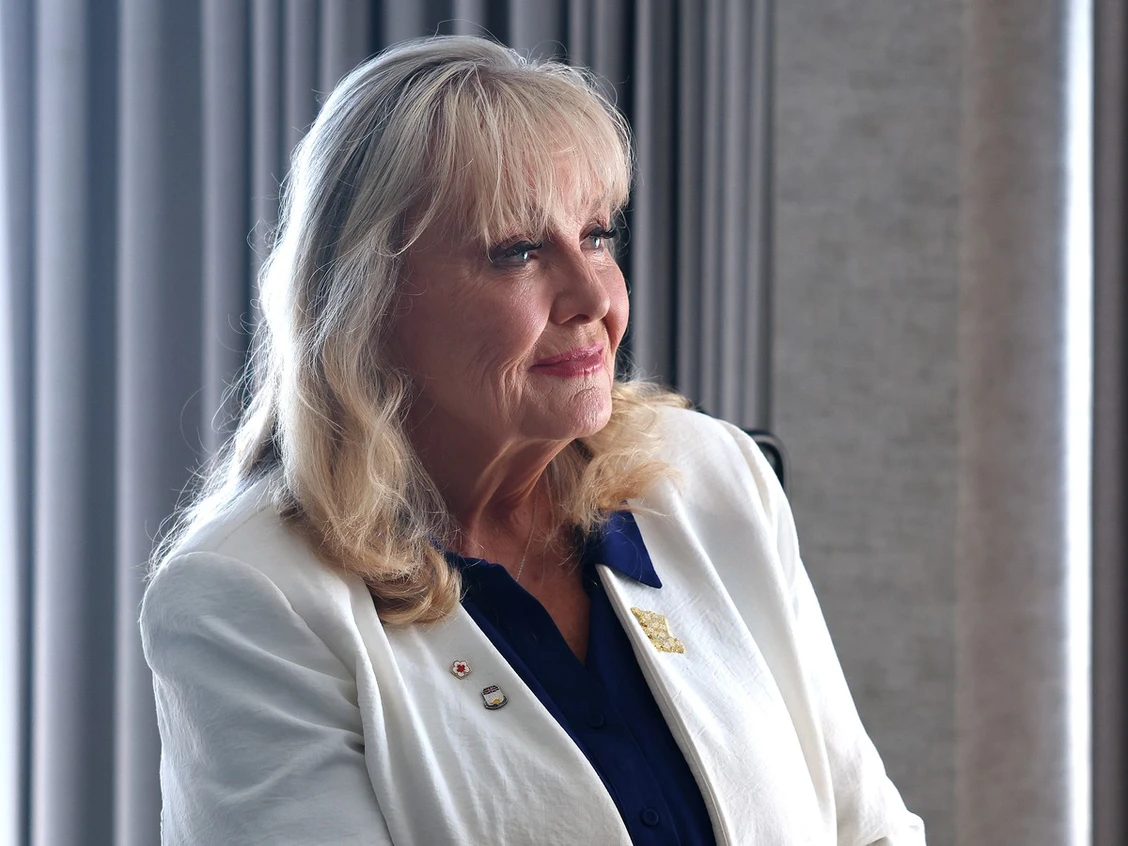
OTTAWA — Newly elected B.C. Conservative Leader Kerry-Lynne Findlay says she’d maintain commercial ties with neighbouring Alberta if Albertans vote to leave Canada.
Article content
“I would maintain relations, economic relations,” Findlay told National Post when asked how she’d react to a successful Alberta independence vote as premier of B.C.
Article content
Article content
One of the big questions surrounding Alberta independence is how it would affect the landlocked jurisdiction’s ability to get exports to the Pacific via B.C.
Article content
Article content
Findlay said Alberta’s future in Canada is a matter of “determination by those in Alberta,” adding that she was wary of “dealing in hypotheticals” about the subject.
Article content
Article content
“It’s so hard to know. Often things you think might go this way or that way end up going a third way,” said Findlay.
Article content
Findlay, known to her supporters as “KLF,” narrowly won the B.C. Conservative leadership vote over the weekend, after running on a populist platform focused on reining in Indigenous land claims and increasing the influence of western provinces within Confederation.
Article content
She promised in a fiery victory speech to defend B.C. from the whims of “eastern and global elites.”
Article content
Findlay spoke to National Post on Tuesday to discuss her vision for a Western Canada alliance and how she’ll navigate relations with next-door neighbour Alberta amidst uncertainty about its future in Canada.
Article content
She said she understood the “frustration behind things like the (Alberta) referendum,” and laid much of the blame at the feet of former prime minister Justin Trudeau and successive B.C. NDP governments for limiting the flow of Alberta oil and gas to new markets overseas.
Article content
Article content
“(I couldn’t) believe it when… Trudeau said there was no ‘business case’ for developing our (liquefied natural gas) when Japan and Germany were asking for it. How can you have a commodity and people wanting to buy it and say there’s no business case? It’s ridiculous,” said Findlay.
Article content
Findlay, who campaigned on scrapping the federal oil tanker ban and clearing the way for a northwest coast crude oil pipeline, said that B.C. and the other western provinces have a common interest in growing offshore energy exports.
Article content
“I see the whole thing, in my mind, about building these western alliances as well,” said Findlay. “The idea to get resources to market, infrastructure built and double (export) capacity will resonate across B.C., Alberta and Saskatchewan.”
Article content
Findlay noted that Canada’s three westernmost provinces are united in frustration over the federal equalization program.
Article content
“(We’re) feeling like we’re not being heard, and yet we’re being looked to for equalization payments and relied on to basically fund a lot of what’s relied on back east,” said Findlay.
Article content
She added that the region’s underrepresentation in the House of Commons and Senate adds to these frustrations.
Trending
- Is the Citizen restaurant critic out of touch with diners’ palates?
- Early retirement incentives to reduce department operating budgets
- Two new swimming docks coming to the Ottawa River this summer
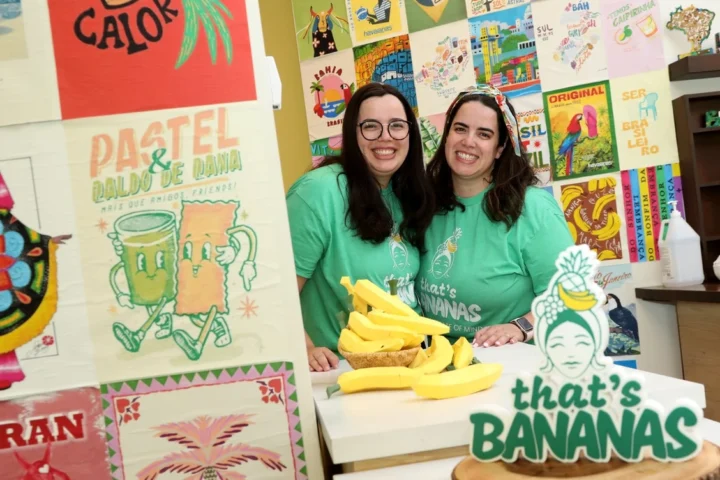
- New Ottawa café makes decadent street food from Brazil
- Bank and Leitrim is a ‘mess’ and these residents can’t wait for its new design
Article content
Findlay, who was a Conservative MP for a decade before losing her seat in last year’s federal election, said she gained a begrudging respect for the separatist Bloc Québécois during her time in Parliament.
Article content
“When I was serving in Ottawa… the Quebecois there would just look at us and say, ‘well, nothing’s stopping you from having a B.C. party, or an Alberta party,’” said Findlay.
Article content
Findlay said other provinces, including hers, could learn from the way Quebec successfully pushed for more autonomy over things like immigration.
Article content
“I think that we have a number of areas where the provinces should push for a bigger say,” said Findlay.
Article content
Findlay said she’s keeping a close eye on nine constitutional and immigration-related questions that will be put to Albertans in the province’s Oct. 19 referendum.
Article content
“(I’ll be watching) because I’m looking at all these things as well,” said Findlay.
Article content
Findlay, a lawyer by training, said she’s especially interested in ballot question no. 6, which asks if Albertans support amending the Constitution to transfer the power to appoint provincial appeal court judges from the federal government to the provinces.
Article content
Article content
She said the current norm of federal governments appointing provincial judges contributes to the centralization of power.
Article content
“You do end up with the (federal) government of the day directly influencing who gets those appointments, with very little provincial and local input,” said Findlay.
Article content
Findlay campaigned on using section 43 of the Constitution to write in a new amendment stating that private property has primacy over Aboriginal title in B.C. This would require the approval of both houses of Parliament and the B.C. legislature.
Article content
Alberta Premier Danielle Smith has said that she agreed that courts have interpreted Indigenous treaty and title rights too broadly, and that she’s willing to talk with other premiers about “some kind of constitutional amendment,” to rein this in.
Article content
Smith has been critical of Justice Shaina Leonard’s decision last month to side with Indigenous groups challenging a citizen-led petition for a referendum on Alberta independence. Leonard said in the ruling that the province had a duty to consult with affected First Nations before allowing the petition to go forward.
Article content
Article content
A section 43 amendment affecting Indigenous relations could theoretically cover both B.C. and Alberta, assuming both legislatures pass supportive resolutions.
Article content
Findlay told National Post she expects to see Smith at a dinner event in Calgary on Friday.
Article content
Alberta separatist leader Jeffrey Rath called Findlay’s comments on Alberta self-determination “measured, reasonable and helpful.”
Article content
Rath said he’d welcome Findlay as an interlocutor at the Confederation table as Alberta negotiates its exit from Canada.
Article content
B.C.’s NDP government, which holds a one-seat majority, has had trouble getting its agenda through the province’s legislature, fuelling speculation that a snap election could be imminent. The next election must be held by 2028.